













Registration Rtbet Now Italy

In 2026, Rtbet in Italy is evaluated by registration, access, payments, mobile use, and control tools for adults.

Fortune Gems 2 Slot

Table of Contents

  • The Dog House Megaways Slot
  • Lucky Joker 10 Extra Gifts Slot
  • Sword of Ares Slot
  • Floating Dragon Hold & Spin Slot
  • Leprechaun Riches Slot
  • Fruit Cocktail Slot
  • The Dog House Megaways Slot
  • Sword of Ares Slot
  • Fruit Million Slot
  • The Dog House Megaways Slot
  • Big Fisherman Slot
  • Big Fisherman Slot
  • Seven Books Unlimited Slot
  • Rtbet Fortune Slot
  • Sword of Ares Slot
  • Floating Dragon Hold & Spin Slot
  • 9 Mad Hats Slot
  • Floating Dragon Hold & Spin Slot
  • Big Bass Splash Slot

After Rtbet Login: Initial Checks

The first login isn't just for entering. It's to understand if the account makes sense. When an adult user opens the platform for the first time, they should find the balance, history, personal area, money movements, and functions to set limits or take a break within minutes. If these areas are clear, the session starts in an orderly manner. If, however, every item seems hidden or not intuitive, the effort comes even before playing.
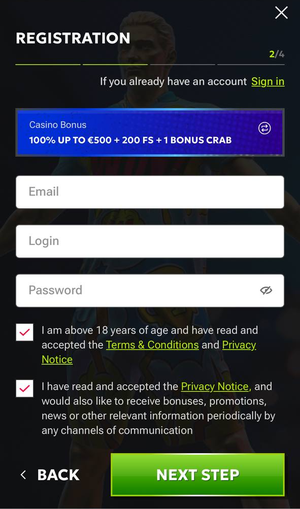
Login 1

Many users make the same mistake: they log in, immediately open a random category, and only then try to understand how the account is organized. It's better to reverse the order. First the profile, then notifications, then recent movements, then control tools, and finally the rest. Imagine having only fifteen minutes free before going out. At that moment, you don't need a spectacular platform, you need a readable platform.

A good first check is worth more than ten impulsive clicks. Usually, more cautious users look where to change data, where to find support requests, and where the history remains visible. It's not wasted time. It's the easiest way to avoid the classic scenario: you want to do something simple, but you waste minutes searching for the right menu item.

If Access Doesn't Flow Smoothly at First Try

An interrupted access doesn't necessarily mean there's a serious problem. Sometimes it's just a credential typed in haste, a confirmation left unfinished, or a verification that requires an extra step. Imagine trying to log back in from your phone while also responding to a message. It's precisely at that moment that mistakes are made more easily. It's better to stop, read the on-screen notice carefully, check the entered data, and try again calmly instead of repeating the same action five times.

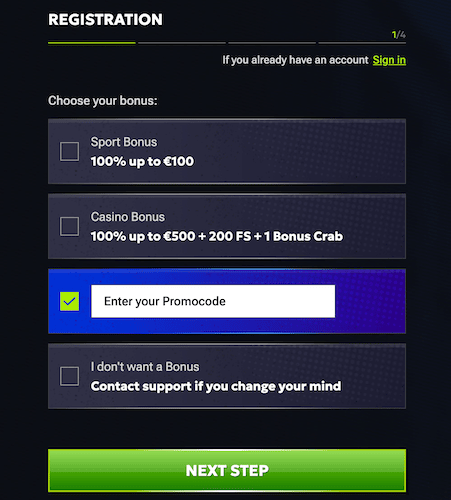
Registration, Profile, and Data to Prepare

Opening an account should be treated as a brief but serious procedure. Name, contact details, date of birth, password, and initial preferences must be consistent from the start. Not because the profile has to look perfect, but because any small inaccuracy resurfaces at the most inconvenient moment: when you need to recover access, confirm a transaction, or clarify the account status.

Login 2

Imagine filling everything out from the couch, with the TV on and your phone constantly sending notifications. It's the perfect situation to write an incomplete email, save an unclear password, or leave a field on auto-fill without rechecking it. At first, it seems like a minor detail. Then, a small subsequent check is enough to understand how much weight those hastily made errors carry.

For this reason, after creating the account, it's advisable not to rush straight to the catalog. More organized users first go to the personal area, check where documents, history, support, and settings are located. Only then do they decide whether to start a session. This initial step seems cautious, but in practice, it saves time and reduces a lot of confusion.

What to Fix on the First Day

On the first day, it's advisable to check four main things: personal data, active contact details, profile status, and the layout of the main sections. Imagine registering in the evening and wanting to log back in a few seconds the next morning. If you've already sorted out these points, the account follows you. If you leave them pending, you risk wasting time on details that could have been closed immediately when you still had a clear overview.

Small Errors That Later Weigh Heavily

The truly frequent errors are almost always minor: an outdated number, a secondary email used in haste, a mistyped detail, an unreadable file. None of these problems are huge on their own, but together they make the account slower to manage. Imagine two users: one fills everything out in a few minutes and closes, the other double-checks. After a few days, the second finds everything more linear; the first already has to correct steps they thought were finished.

Login 3

Mobile Use and Account Continuity

In 2026, many users open their accounts more from their phones than from computers. Therefore, it's not enough for the platform to be available on mobile. It must be built for real-life moments: a short break, a quick check, a review of movements, an evening session on the couch. In these contexts, readable menus, visible balance, easily accessible history, and settings that don't seem hidden are important.

Imagine being out and about with exactly ten minutes. You want to understand if the account is in order, see recent movements, and decide whether to do more or not. If it only takes a few taps to orient yourself, the mobile experience works. If, however, every step requires extra screens or forces you to go back without understanding where you are, the phone stops being convenient.

Continuity with the computer also matters. Not everything needs to be identical, but the account should maintain the same logic. Balance, profile, support, history, and payments should be in understandable areas on both devices. Otherwise, the user feels like they are using two different environments instead of just one.

Quick Checks Before a Mobile Session

Before starting a mobile session, it's advisable to do an essential check: balance, notifications, history, personal limits. Only then decide whether to stay or leave. Imagine logging in from your mobile on a bad day, more out of reflex than choice. That initial check helps you immediately understand if it's worth continuing or if a break is more useful than playing.

Payments, Withdrawals, and Clear History

Payments are where a platform stops being just an interface and becomes a concrete procedure. Until then, everything can seem simple. However, when you need to deposit, check your balance, review a transaction, or request a withdrawal, the quality of the experience is truly revealed. An organized account makes these actions clear. An account used in haste makes them immediately more burdensome.

The most useful rule is surprisingly simple: stop for thirty seconds before confirming. Amount, selected method, profile status, and the real reason for the operation. It seems like an elementary list, but it's precisely what gets skipped when we are guided by impulse. Imagine the typical scene: end of the evening, low clarity, desire to fix everything with a new transaction. In that case, the problem isn't technical; it's the context in which you are deciding.

The history, then, is not just an archive. It serves to reconstruct the session. It helps you understand what you did, when you did it, and whether your actual behavior is following the initial plan or not. Users who check it regularly usually manage their account more calmly and make fewer repeated mistakes.

To make everything more concrete, a practical summary can be useful:

Area Da Controllare

Cosa Verificare

Why It Is Useful

Profile

dati coerenti e recapiti attivi

evita correzioni all'ultimo minuto

Chosen method

intestazione e disponibilità reale

riduce tentativi inutili

History

ultimo movimento registrato

chiarisce lo stato del conto

Documents

file leggibili e completi

rende più lineari le verifiche

Personal limits

soglie di spesa e pause

mantiene ordine nella sessione

This table doesn't promise anything special. It does something more useful: it reorders priorities. First check, then decide. It's a simple sequence, but it makes a big difference when the account is used at different times of the day.

Rtbet Registration E Prime Verifiche

Opening an account doesn't end when the form has been submitted. It truly begins when you need to verify that everything is consistent and ready to be used frictionlessly. This is where many users discover if they've done good work beforehand or not. If the data is legible, the contact details are correct, and the profile is tidy, the platform becomes easier to use. If, however, details remain pending, every subsequent step risks slowing down.

Imagine you completed the procedure the evening before and want to return the next day with a clear idea. If you've already checked documents, settings, and history, your account will support you. If you haven't, even a simple operation can seem longer than necessary.

At this stage, it's also worth observing the personal control tools. Spending limits, breaks, temporary self-exclusion, and notifications are not accessories. They are functions that help transform the account into a manageable space, especially when your attention is not at its peak.

Documents and Tidy Account

Documents shouldn't be prepared at the last minute. It's better to gather them when you're calm, with good lighting and enough time to check that everything is legible. Imagine having to upload a file from your phone while you're out. If the photo is unclear or a detail is missing, you risk doing it all over again. Simple preparation done calmly almost always avoids this scenario.

When to Stop Before Continuing

The signal isn't always economic. Sometimes it arrives earlier, like haste, irritation, or the desire to stay longer without a real reason. Imagine telling yourself you'll stay just two more minutes, then repeating the same phrase three times. That's a sufficient clue. At that point, a short break or temporary suspension can help you more than another attempt made out of nervousness.

Limits, Breaks, and Final Evaluation

A platform is judged well when it leaves you in control not only at the beginning, but for the entire duration of your relationship with the account. This is where personal limits, breaks, and the quality of support come into play. An adult user should not see these functions as a brake. They should see them as normal tools to maintain command of time and money.

Imagine a heavy week, with little patience and more frequent phone use. It is on those days that the difference between an organized account and a scattered one is felt most. If you can set a realistic threshold, clearly see your movements, and choose to stop before the session extends on its own, then the platform is truly helping you.

Support also weighs heavily in the final evaluation. As long as everything runs smoothly, it seems secondary. But when a login is interrupted or a transaction is unclear to you, the way you ask for help changes everything. A precise request, with time, device, section involved, and on-screen message, is almost always more useful than a generic message. In 2026, for a user in Italy who wants to use their account in an orderly manner and in compliance with applicable rules, these details matter more than any generic promise.

How to Write to Support Helpfully

The best way is to start with the facts. What were you doing, on which device, at what point in the account, at what time, and with what notification. Imagine writing only "it doesn't work". You will probably have to start over. If, on the other hand, you arrive with a precise picture, support understands faster and you waste less time. Writing well doesn't mean writing a lot. It means being clear.

FAQ

The most useful thing is not to make endless random attempts. It is advisable to immediately use the account recovery procedure, check the contact details linked to the profile, and calmly follow the instructions shown. If the problem persists, support can help better when it receives precise details about the device, time, and last successful login.

On the first day, it's best to primarily check your profile, history, notifications, personal limits, and the help section. These areas immediately show you whether the account is structured clearly or not. Performing this check right away avoids a lot of confusion in subsequent sessions.

It depends on the task. The phone is practical for quick checks, balance, notifications, and small operational steps, while the computer often helps to better read details and history. Neither is always superior. It's more important to use the device that suits the moment you are in.

The best solution is to separate a precise amount from the rest of your expenses and also set a time limit for it. This way, you control not only the money but also the duration of the session. A simple and realistic plan works much better than an overly ambitious rule that is abandoned as soon as your mood changes.

It makes sense when the game is no longer following a plan but a reflex. If you open your account out of boredom, check your balance too often, or extend your session without a real reason, a break becomes a useful choice. You don't need to wait for a major event to notice. The signal usually comes much earlier.

Because it's not just for viewing amounts and times. It helps reconstruct how you actually used your account, at what pace, and in what order. For those who access their account multiple times a week from their mobile, this tool helps avoid confusing a series of short sessions with orderly and conscious use.

It's best to write a short but precise message. You need to indicate what you were doing, on which device, in which section, and what message appeared on the screen. This makes the comparison much more practical. Overly generic requests, on the other hand, almost always prolong the conversation without immediately clarifying the problem.